Recent Work
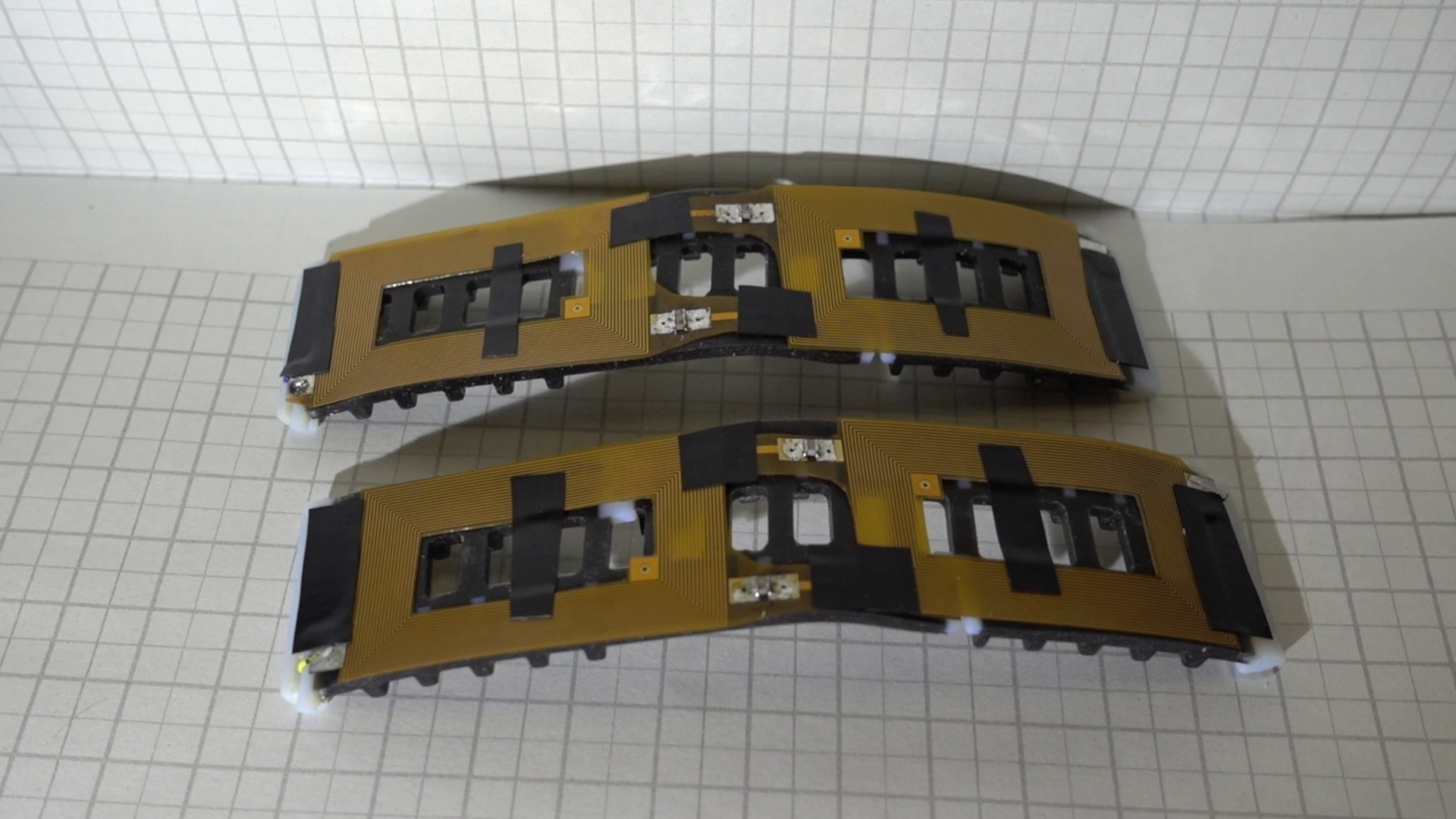
Understanding the Effects of Interaction on Emotional Experiences in VR
We extend a validated VR emotion-elicitation dataset by adding a new high-arousal/high-valence scene and interactive object-level versions of each scene. Through controlled studies with subjective ratings and physiological signals, we show that interaction not only amplifies emotions but also modulates them by context.
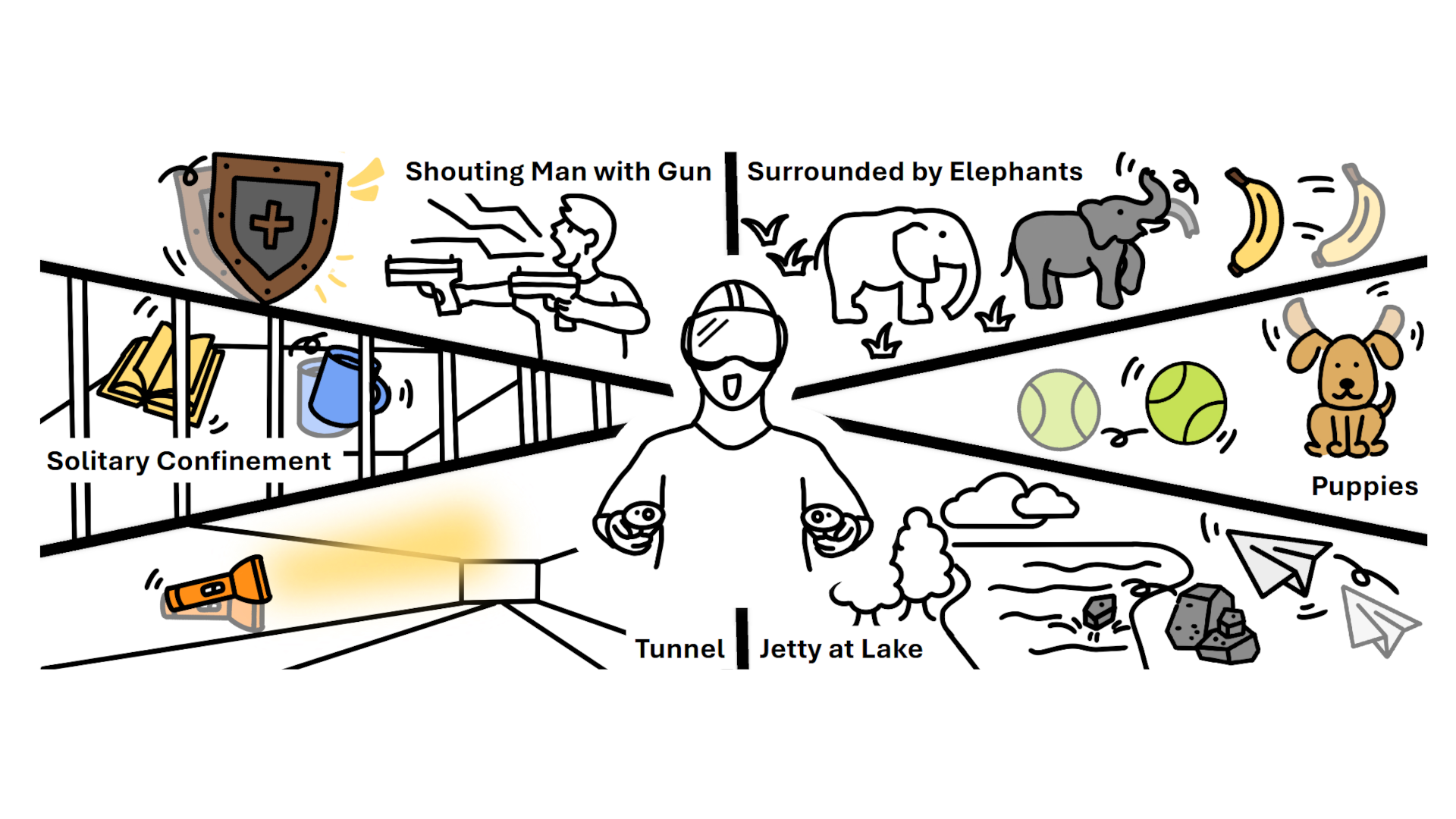
Is Artificial Intelligence Generated Image Detection a Solved Problem?
We introduce AIGIBench, a realistic benchmark to evaluate AI-generated image detectors under multi-source generalization, image degradations, augmentation shifts, and test-time preprocessing. Extensive evaluation shows that detectors with high reported accuracy still degrade substantially in real-world settings, highlighting the need for more robust and generalizable methods.
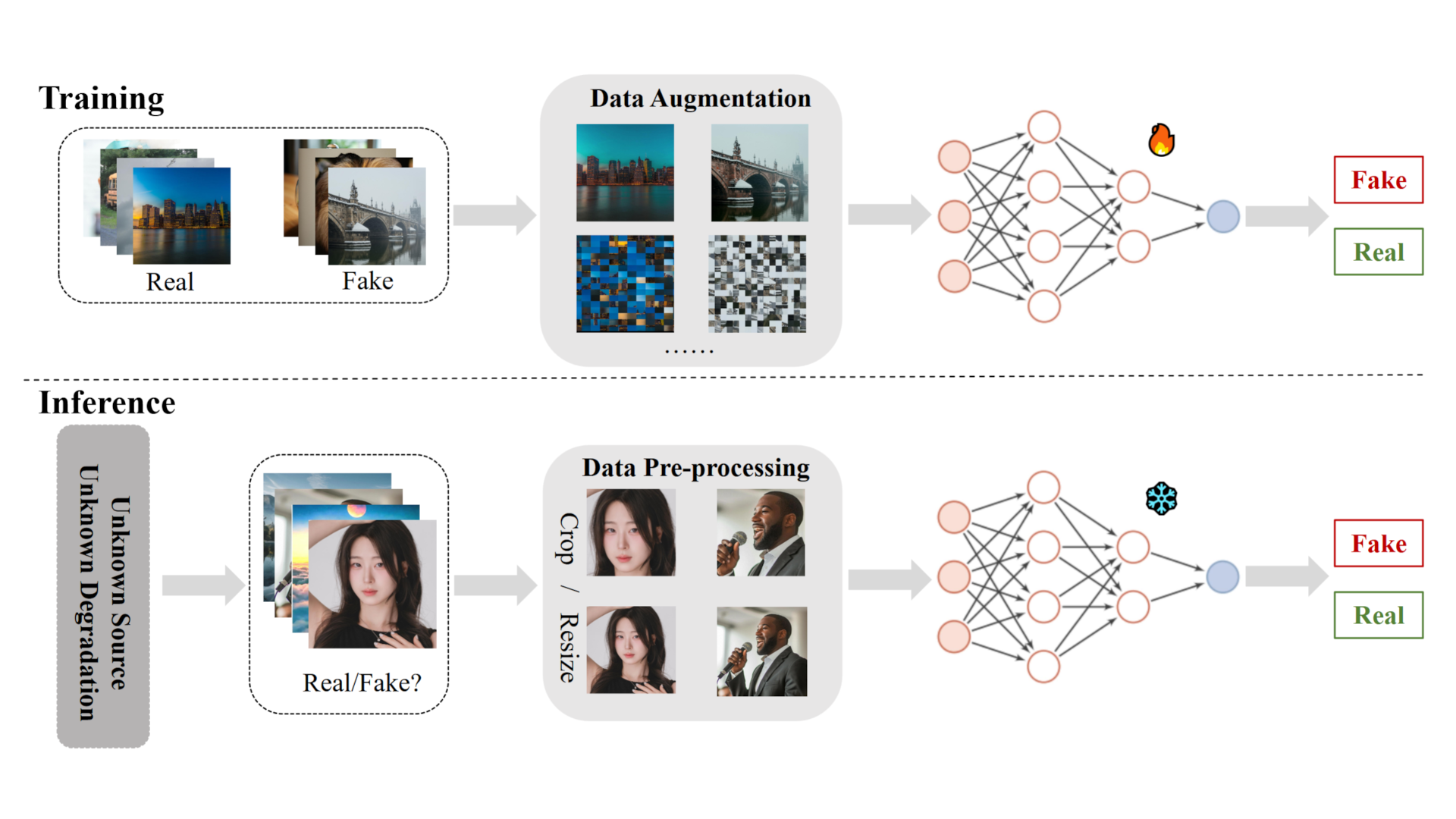
SitPose: Real-Time Detection of Sitting Posture and Sedentary Behavior Using Ensemble Learning With Depth Sensor
We present SitPose, a real-time sitting posture and sedentary behavior detection system based on Azure Kinect depth sensing and 3D joint features. Using a dataset of 33,409 samples from 36 participants, our soft-voting ensemble model achieves an F1 score of 98.1%.
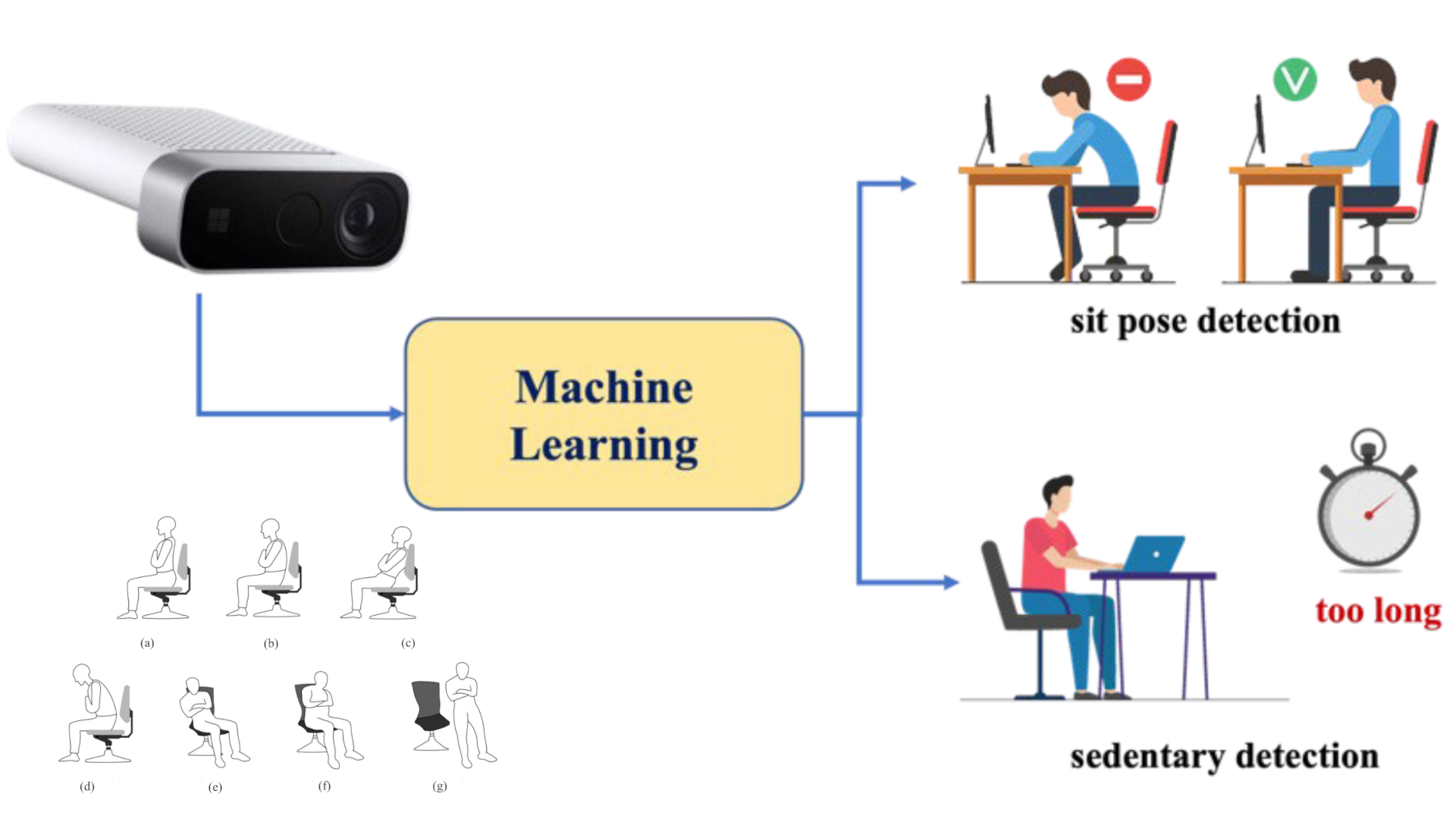
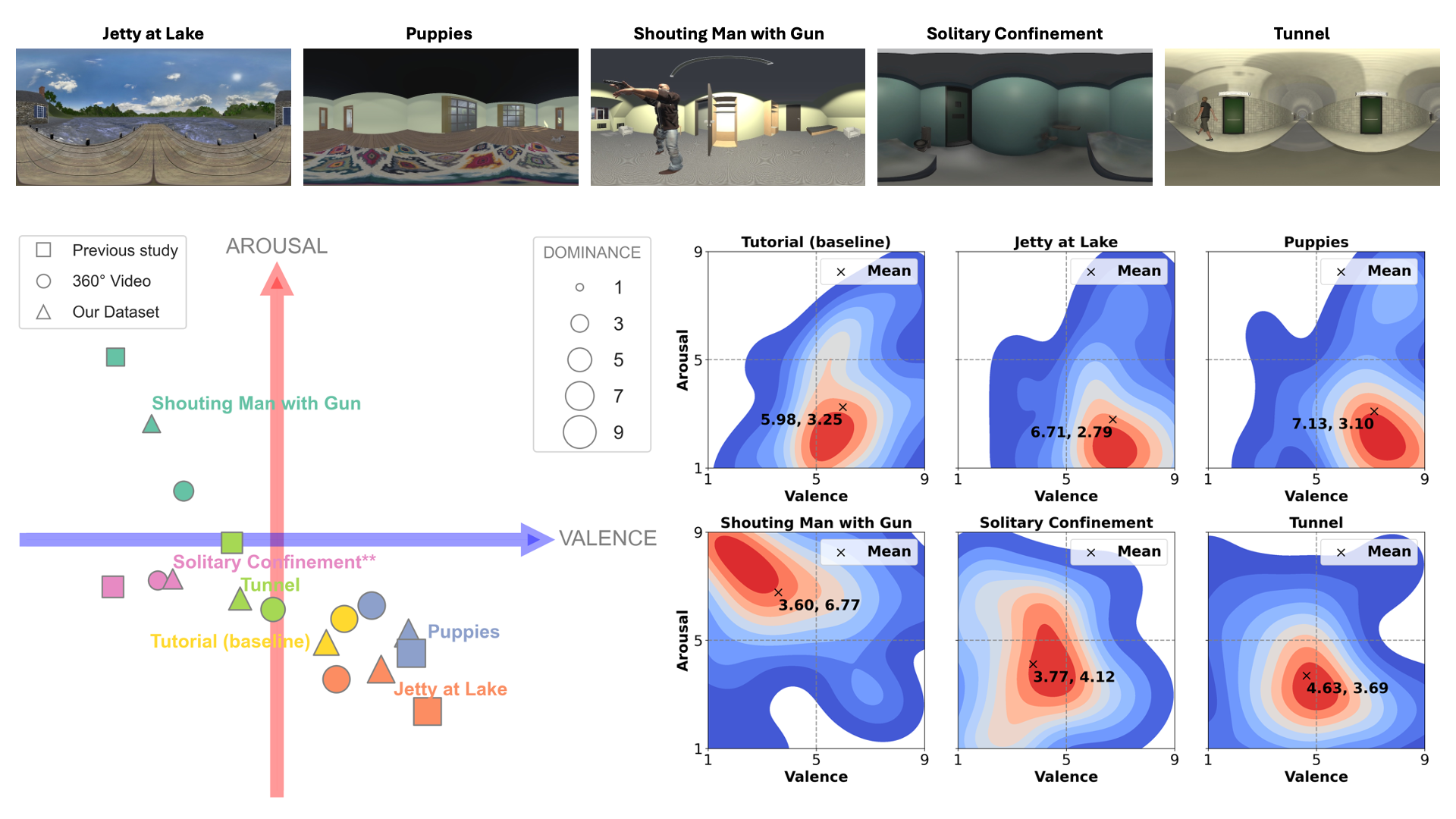
An Immersive and Interactive VR Dataset to Elicit Emotions
We present a dataset for eliciting emotions with immersive virtual environments for VR. Our dataset includes five virtual environments with different targeted emotions, tested with 160 participants in realworld, offering VR researchers and practitioners a valuable tool for integrating emotion elicitation into immersive experiences.
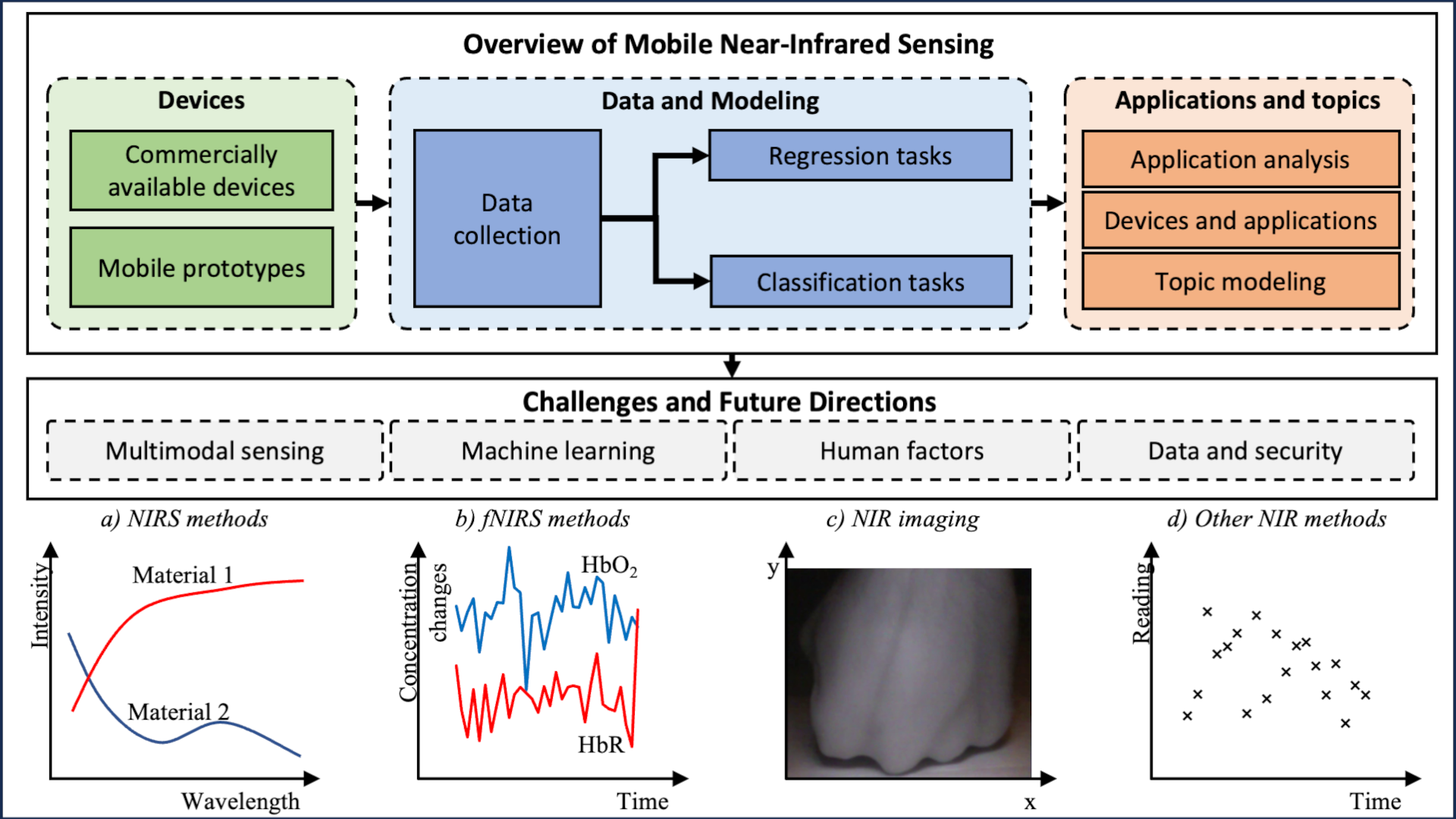
Mobile Near-Infrared Sensing - A Systematic Review on Devices, Data, Modeling and Applications
Mobile near-infrared sensing is becoming an increasingly important method in many research and industrial areas. We conduct a systematic review including 1) existing prototypes and commercial products; 2) data collection techniques; 3) machine learning methods; 4) relevant application areas. Our work measures historical and current trends, and identifies current challenges and future directions for this emerging topic.
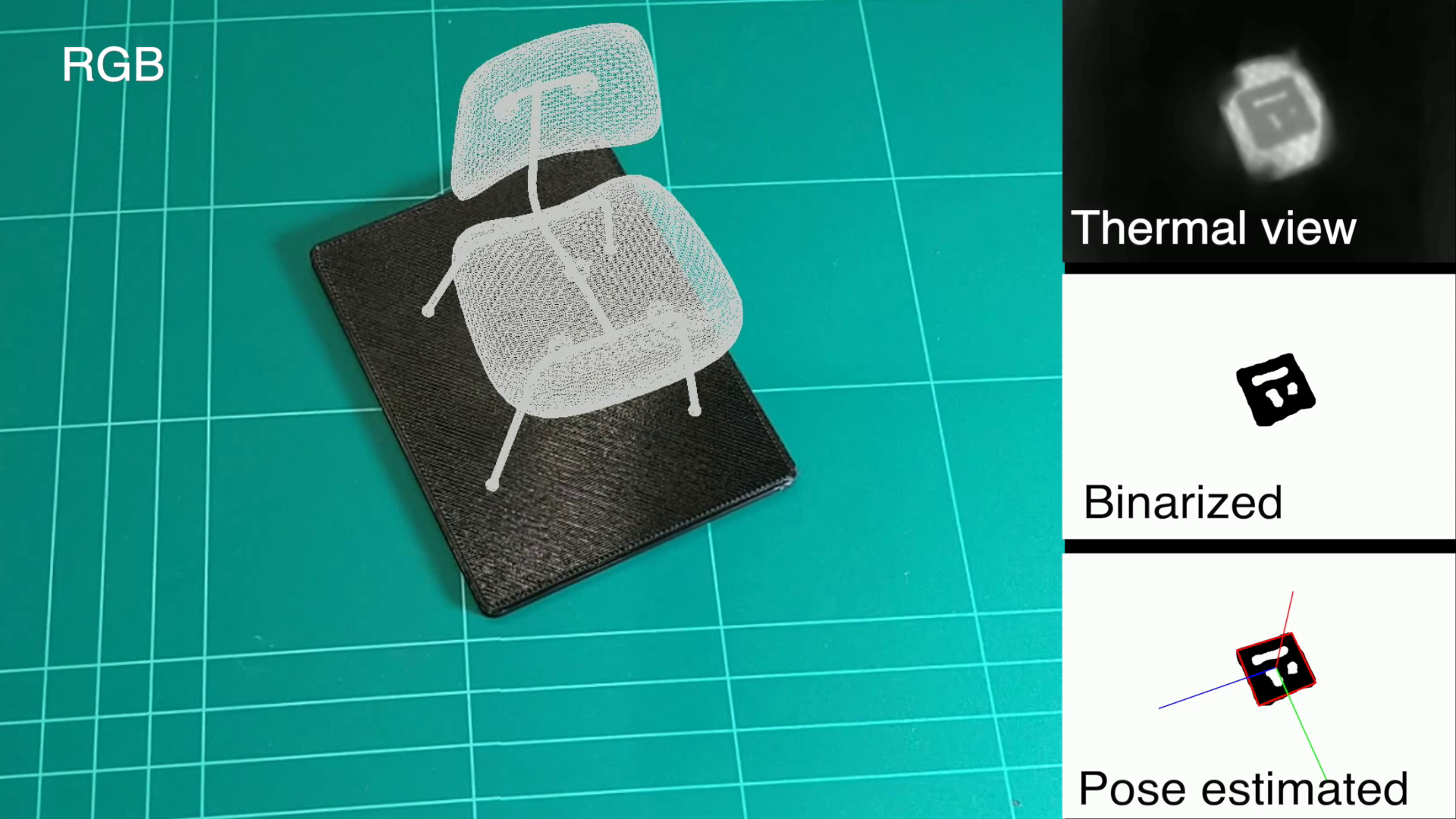
InfoPrint: Embedding Interactive Information in 3D Prints Using Low-Cost Readily-Available Printers and Materials
We present a novel method for embedding invisible, interactive information in 3D printed objects using standard materials and thermal imaging, enabling diverse applications from interactive displays to augmented reality.
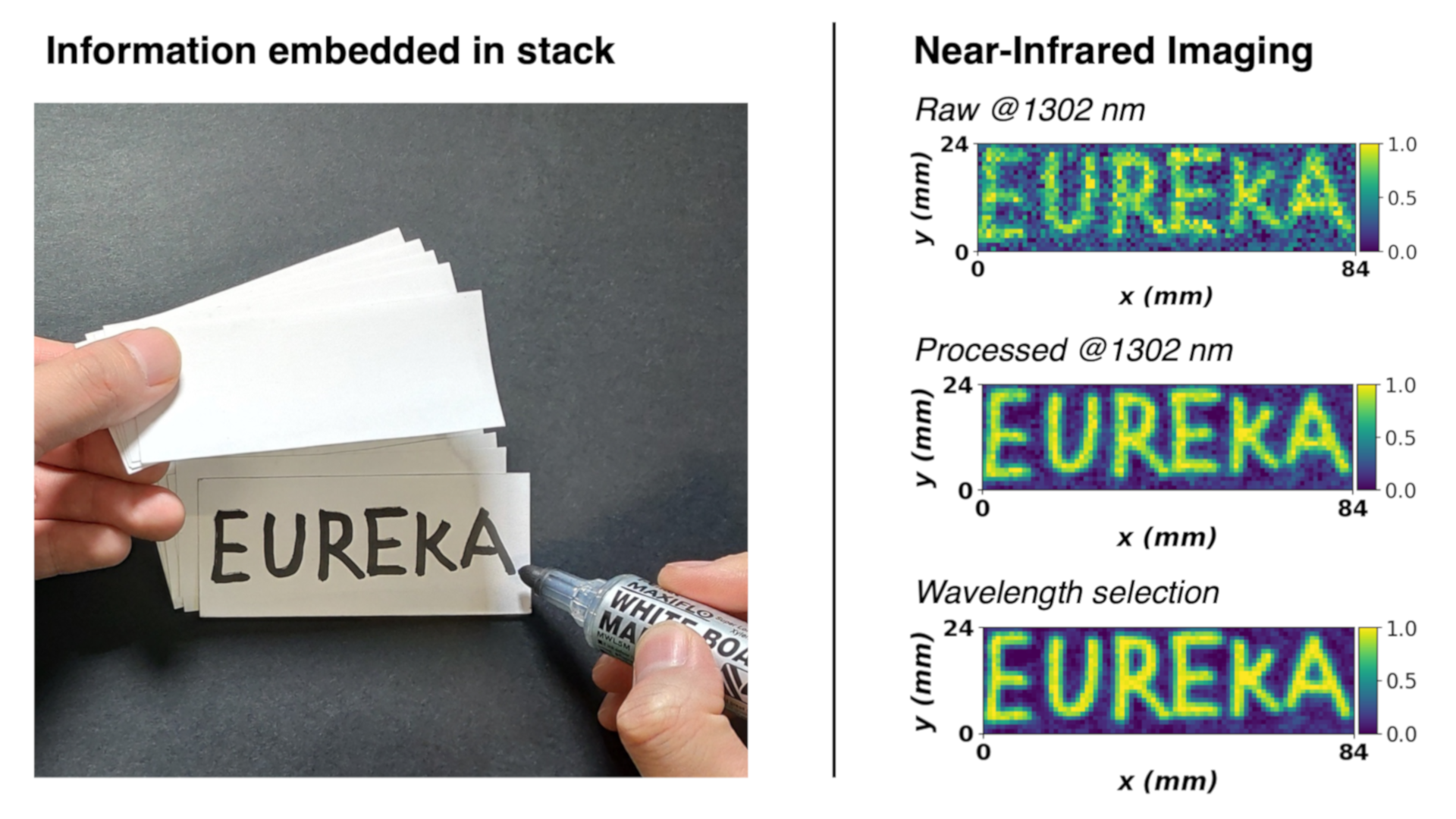
Near-infrared Imaging for Information Embedding and Extraction with Layered Structures
We present a low-cost near-infrared imaging method using a miniaturized near-infrared spectroscopy scanner and a 2D-plotter, optimized for information embedding and extraction in everyday settings. Our system enables revealing occluded contents in layer structures such as 3D prints, laser-cut prototypes, and paper stacks.
User Trust in Assisted Decision-Making Using Miniaturized Near-Infrared Spectroscopy
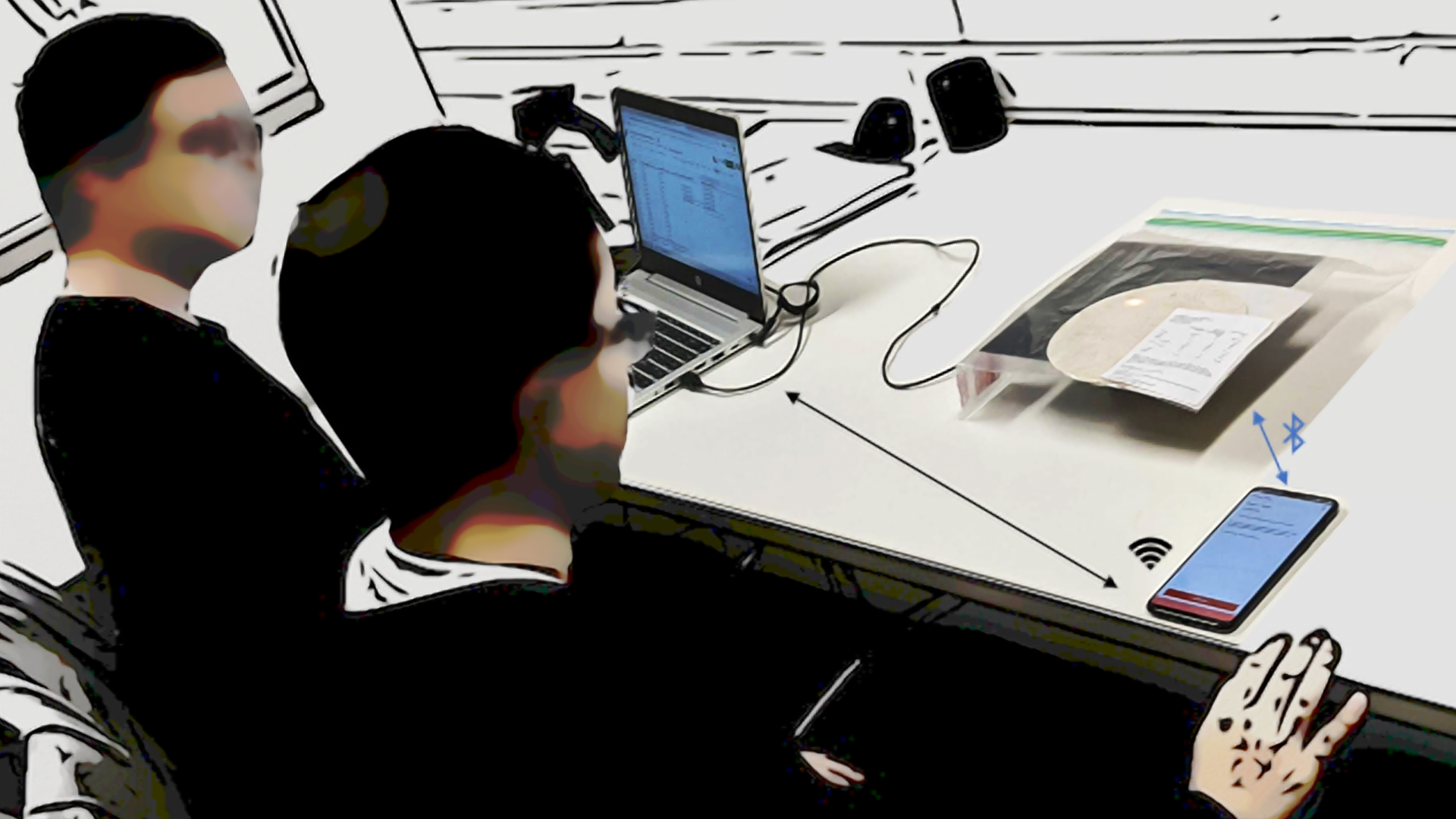
We explore the use of a miniaturized Near-Infrared Spectroscopy (NIRS) device in a machine learning-assisted task to determine gluten presence in food, focusing on user interaction and the impact of nutrition labels and confidence representations on trust and perception. Our findings reveal conservative judgment tendencies among participants, strategies to boost system trust, and contribute to understanding the mass application of NIRS in everyday sensing.
Does Smartphone Use Drive Our Emotions or Vice Versa? A Causal Analysis
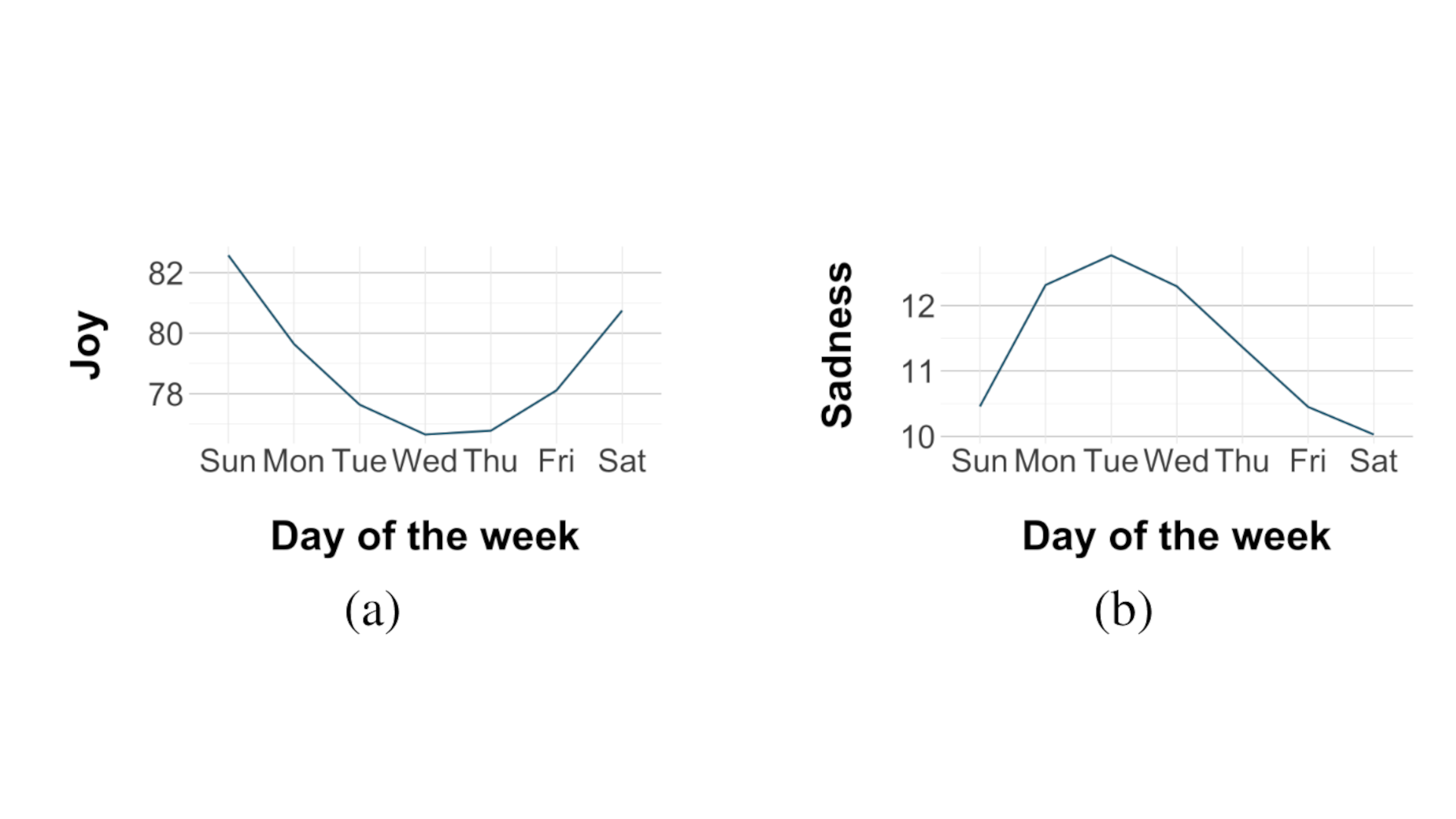
We show a bidirectional causal relationship between smartphone application use and users' emotions through a two-week in-the-wild study. We show that phone use often drives emotion while some app categories are influenced by prior emotional state.
Probing Sucrose Contents in Everyday Drinks Using Miniaturized Near-Infrared Spectroscopy Scanners
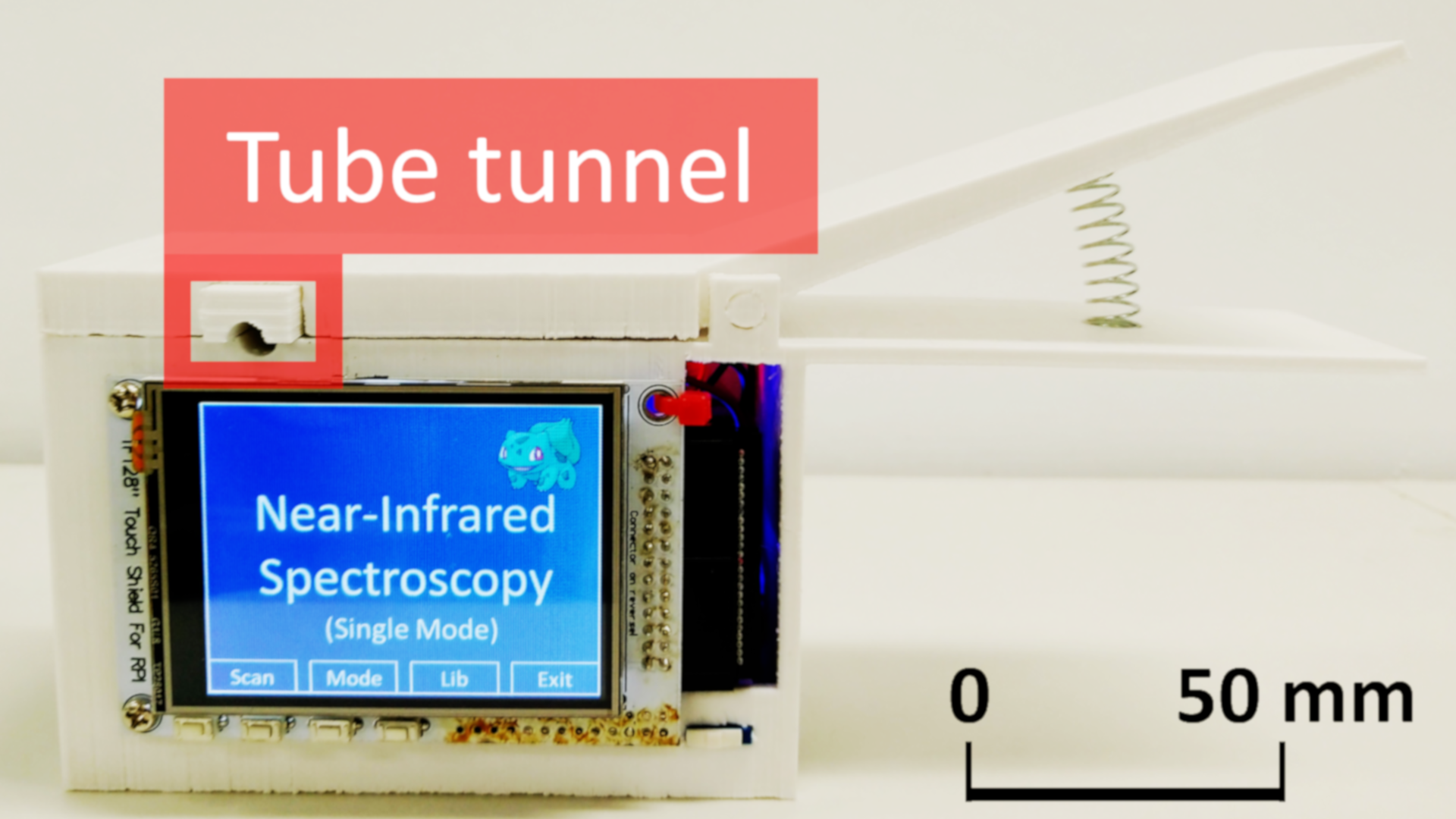
We explore the adaptation of miniaturized Near-Infrared Spectroscopy (NIRS) technology to probing liquid content, by prototyping a mobile device with a NIRS scanner and a 3D printed clamp. Our device can accurately estimate content concentration in commercial drinks, alcohols and perfumes under varying conditions.
Continuum Robotic Caterpillar with Wirelessly Powered Shape Memory Alloy Actuators
We introduce a design for soft-bodied continuum robots using thin film receiver coils and an inductively coupled wireless powering solution, enabling limitless operational time and reduced weight without compromising their continuum deformation and locomotion abilities. Our system, exemplified by a 3D printed soft robotic caterpillar, integrates this design with actuators and flexible power receiving coils.